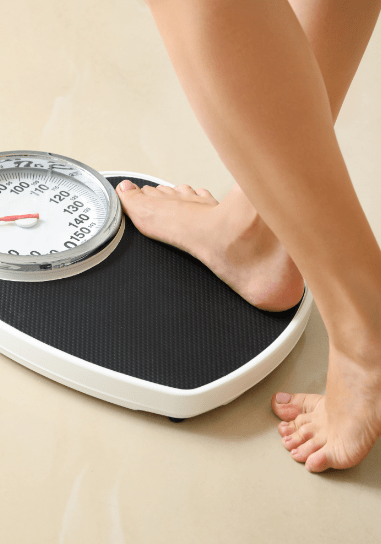
girl weighing herself

Manage the
weight

Keeping in shape is not a destination, it’s a journey. Walking this path means making smart choices along the way, every single day. Listen to your body, you only have the one to accompany you through life, so try take good care of it.

A
BALANCED
LIFE

There is no hidden secret, a balanced life is achieved by exercising, a healthy diet and an active mind. While it can be a struggle to invest and take care of all three areas simultaneously, it is certainly doable and we can show you how.

By sticking to this routine you will have some of the right tools that will get you set for losing the extra weight you have, in the right way, through a safe and healthy process.

Start slowly and work from there.

Facing
the scale

If you are overweight, there are many benefits in losing the extra weight, you may lower your risk of developing heart disease, osteoarthritis, breathing problems, certain cancers, the list goes on.1 Plus, you will probably end up feeling better and more energetic than ever!

If you are diabetic, losing weight will improve your glycemic control, making managing the condition easier.

If you are diabetic, losing weight will improve your glycemic control, making managing the condition easier.

Time to stand on your feet and take the first step towards a more fulfilling life. We don’t promise it will be easy at first, but it will definitely be worth it.

BMI: what does it mean?

While on this weight loss path, one important and objective indicator that you should know about yourself is your Body Mass Index (BMI), which is a number that results from dividing your weight by your height.

It will tell you how far away you are from the ideal weight for your body type and is a measurable number that will help set and achieve your goals.

woman measuring her waist

Ideal BMI is between 18.5 and 24.9 kg/m2

(for adults 18-65 years old)2

Also, your waist circumference (another important parameter) shouldn’t be wider than 102 cm if you are a man and 89 cm if you are a woman.2 Recommendations are lower for people of Asian descent: 94-99 cm for men and 78-89 cm for women.2

Of course every case is unique, so talk to your health care professional about what your specific targets should be.

How to get started

Sometimes the first step is the more difficult. Set your mind to it, embrace the journey and don’t let adversities distract you from your goals. Losing weight consists in burning more calories than you ingest, so we give you a few tips that can make the whole process smoother.

Be active

Physical exercise is essential. Guidelines recommend that you spend at least 150 minutes a week exercising.4
There’s a lot to choose from, so pick activities that you enjoy and turn it from an obligation into a pleasure.

Watch what you eat

Plan your meals, whether we’re talking about main courses or snacks. That way you will have less room for excuses and unhealthy food.
Also, mind your portion sizes, don´t eat more than you really need.

Trace your progress

Write down your journey.
You don´t have to be obsessive about it, but it’s important to commit to specific objectives. Make both short-term and long-term goals, they will keep you more focused all the way.

Keep yourself
motivated

Never give up!
There are going to be moments you feel you are not making that much progress, don’t be too hard on yourself, just keep pacing forward.
Step by step you will get far.

Consistency
is important

It’s not enough to bring those scale numbers down quickly, if after a while you are stepping back into your old routine and bad habits.

Crazy diets won’t do the trick long-term. Instead, try to cut food and drinks with added sugar from your diet – it has no nutritional value and a lot of calories!

And follow all the other advice we already shared with you.

man running

On a more optimistic note:

it will get easier over time. Your first and maybe even second years of the weight loss process could be hard, but once you get passed them, it will feel simple and normal.

Get ready for the beginning of a different and happier life.

Control your glucose levels

The Diabetes Journey

We invite you to watch other people’s testimonies

man smiling
woman with glasses
family high five

Learn more about reducing my risk

man sleeping

Get enough sleep

Sleep quality can be important for maintaining blood sugar levels.

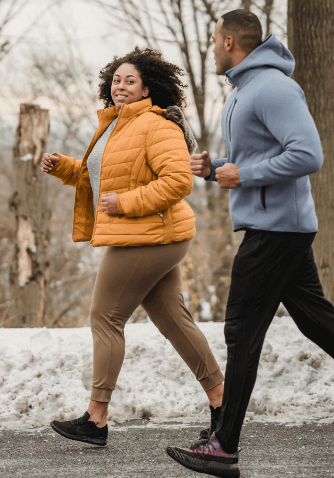
a couple running

Exercise Daily

Get at least 150 minutes of physical activity a week.

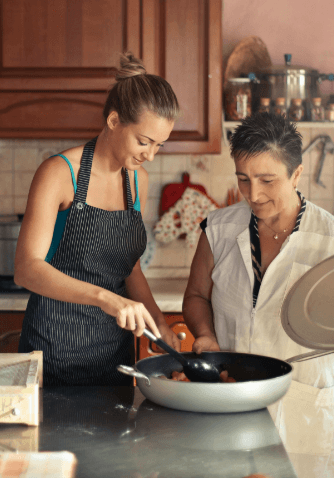
granddaughter and grandmother cooking

Eat healthier

Diets rich in whole grains may help to reduce the risk of developing diabetes.

REFERENCES

1. AHA. Keeping a Healthy Body Weight. Available at: https://www.heart.org/en/healthy-living/healthy-eating/losing-weight/keeping-a-healthy-body-weight Accessed June 2022.

2. AHA. Taking Care of Yourself. Available at: https://www.heart.org/en/health-topics/cardiac-rehab/taking-care-of-yourself Accessed June 2022.

3. Choo, V. WHO reassesses appropriate body-mass index for Asian populations. The Lancet, 360 (9328), 235. 2002. DOI: 10.1016/S0140-6736(02)09512-0.

4. ADA. Weekly exercise targets. Available at: https://www.diabetes.org/healthy-living/fitness/weekly-exercise-targets Accessed June 2022.


GL-GLUP-00129