Get enough
sleep

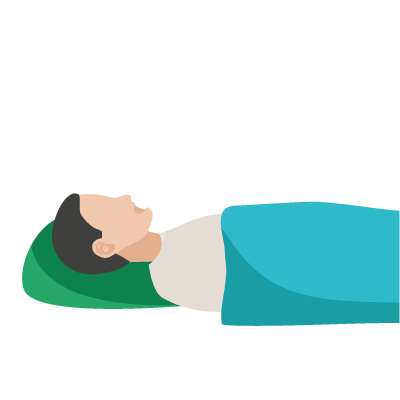
As strange as it may seem, the truth is that getting little sleep (< 6 h/day) can increase the risk of type 2 diabetes by 1.4 times compared to those who sleep ≥ 8 h/day1.
In fact, quality sleep is important for maintaining proper blood sugar levels.
So, why not take the opportunity to spend more time in this activity, because in addition to feeling good, it can make you healthier.

There is a relationship between
short sleep and diabetes

There are several biological mechanisms that may contribute to the relationship between short sleep duration and diabetes. First, laboratory studies have corroborated decreases in glucose tolerance and insulin sensitivity after sleep restriction2. That is, both inadequate pancreatic insulin secretion and increased circulating glucose levels due to sleep deprivation can lead to the development of insulin resistance and type 2 diabetes.


Second, short sleep duration has been associated with increases in markers of inflammation3, which indicate low-level systemic inflammation and play a role in the development of diabetes4.


It is therefore possible that sleep disruption is related to diabetes due to a low-grade systemic inflammation mechanism.
Finally, short sleep is associated with increased ghrelin hormone (linked to raising appetite) and decreased leptin hormone (associated with reduced appetite), leading to longer feeding times, thus increasing the risk of weight gain and subsequent health risks5.


In this way, faster and more caloric meals are sought, increasing the tendency to obesity, which, as is known, increases insulin resistance , a mechanism directly linked to type 2 diabetes. Obesity is also a factor that increases risk.

So… sleep is vital for a balanced metabolism.

Sleep disorders
common in people with diabetes6

Just as too little sleep can cause diabetes, diabetes can also affect sleep and its quality.

An estimated one in two people with type 2 diabetes have sleep problems due to unstable blood sugar levels and diabetes-related symptoms6.

As with many chronic conditions, feelings of depression or stress about the illness itself can also keep you awake at night.

So, individuals with type 2 diabetes are more likely to develop concomitant sleep disorders, the most common of which are restless legs syndrome and obstructive sleep apnea.

Restless Legs Syndrome (RLS):

Approximately one in five people with type 2 diabetes have restless legs syndrome, marked by tingling or other irritating sensations in the legs that can interfere with sleep.

People with diabetes are also at risk for another condition called peripheral neuropathy. Caused by nerve damage, the symptoms of peripheral neuropathy are very similar to RLS and include numbness, tingling, and pain in the extremities.

Obstructive Sleep Apnea (OSA):

Obstructive sleep apnea is a sleep disorder in which a person momentarily stops breathing at recurring intervals throughout the night. In most cases, the person is not aware that this is happening, although a bed partner may notice snoring and wheezing.

These lapses in breathing cause micro-arousals (very brief awakenings) that interfere with the natural progression of sleep stages and impair sleep quality. OSA usually occurs in overweight or obese people as they often have a thicker neck circumference that interferes with the airway.

8 tips
for restful sleep

Adopt regular sleep schedules.

Try to go to bed and get up regularly at the same times, even on weekends.

Avoid sleeping too much during the day.

Naps, when possible, can help with mood, but longer than 30 minutes (at any time of the day) tend to impair night-time sleep.

Do physical activity in the morning or afternoon.

Physical activity is essential for good health and helps you sleep better, but it can cause restlessness. That’s why it’s best to exercise up to six hours before bed.

Avoid caffeinated drinks at night.

Coffee, black tea, mate tea, soda and energy drinks contain stimulant substances such as caffeine. That’s why they should be avoided up to five hours before bed.

Eat light foods at dinner.

Heavy, protein-rich foods, when consumed in excess at night, can disrupt sleep. Light carbohydrate dishes, such as a natural snack, are best suited to induce sleep.

Avoid the consumption of alcoholic beverages.

Although the first effect of alcohol is sedative, after a while it can cause agitation. It is therefore recommended to avoid alcohol consumption up to six hours before bedtime and as a sleep inducer.

Decrease exposure to light at night.

As it gets dark, we start producing melatonin — a hormone that helps our bodies prepare for sleep. Bright lights, computer screens, tablets and cell phones can all disrupt melatonin production, and should be regulated or avoided at night.

Do relaxing activities at night.

A warm bath about two hours before bed lowers your body temperature and relaxes you, helping to induce sleep. Activities such as reading, painting, embroidering, listening to calming music and meditating can also contribute to this.

If you still have trouble sleeping, don’t hesitate to contact your doctor.

You can even record your sleep days, good or bad, in a diary to show him later.

Control your glucose levels

The Diabetes Journey

We invite you to watch other people’s testimonies

woman with glasses
family high five

Learn more about reducing my risk

Get enough sleep

Sleep quality can be important for maintaining blood sugar levels.

Exercise Daily

Get at least 150 minutes of physical activity a week.

Eat healthier

Diets rich in whole grains may help to reduce the risk of developing diabetes.

REFERENCES

1. Liu X, et al. A Novel Risk Score for Type 2 Diabetes Containing Sleep Duration: A 7-Year Prospective Cohort Study among Chinese Participants. J Diabetes Res. 2020;2020:2969105. Published 2020 Jan 4.

2. L. Klingenberg, et al. , Acute sleep restriction reduces insulin sensitivity in adolescent boys, Sleep, vol. 36, no. 7, pp. 1085–1090, 2013.

3. B. Faraut, et al. , Immune, inflammatory and cardiovascular consequences of sleep restriction and recovery, Sleep Medicine Reviews, vol. 16, no. 2, pp. 137–149, 2012.

4. X. Wang, et al. , Inflammatory markers and risk of type 2 diabetes: a systematic review and meta-analysis, Diabetes Care, vol. 36, no. 1, pp. 166–175, 2013.

5. A. V. Nedeltcheva, J. M. Kilkus, J. Imperial, D. A. Schoeller, and P. D. Penev, Insufficient sleep undermines dietary efforts to reduce adiposity, Annals of Internal Medicine, vol. 153, no. 7, pp. 435–441, 2010.

6. Sleep Foundation. Lack of Sleep and Diabetes. Available at: https://www.sleepfoundation.org/physical-health/lack-of-sleep-and-diabetes. Accessed June 2022.

7. Zhu, B., Quinn, L., Kapella, M. C., Bronas, U. G., Collins, E. G., Ruggiero, L., Park, C. G., & Fritschi, C. (2018). Relationship between sleep disturbance and self-care in adults with type 2 diabetes. Acta diabetologica, 55(9), 963–970.

8. Cuellar, N. G., & Dorn, J. M. (2015). Peripheral diabetic neuropathy or restless legs syndrome in persons with type 2 diabetes mellitus: Differentiating diagnosis in practice. Journal of the American Association of Nurse Practitioners, 27(12), 671–675.


GL-GLUP-00129