The more you know, the more you can help yourself.
Exercising is crucial. Regardless of your age, gender, or race, everyone benefits from it, and being active should fit into every schedule. If you are already on this path, congratulations! Keep doing what you do. In case you’re not, know that it’s never too late to start. And if motivation is what you need, look no further.
It’s undeniable that we, in general, live a sedentary life.1 We are much less physically active than our ancestors, as there are more indoor and desk jobs available, we traded outdoor sports for inside the house activities and tend to have groceries and food delivered right to our doorsteps.
Despite this scenario, we need to encourage ourselves to counterbalance it with at least some physical activity. Ideally, these healthy habits should be imprinted at an early age, as we tend to take those childhood experiences into adulthood and replicate them. But, like we said, starting now is better than never.
Look around and ask your friends and relatives which types of activities they have welcomed into their daily lives. Who knows, maybe you discover one thing that you will really enjoy doing, like dancing or jogging, and you will have a partner to share the experience.
Pay attention to campaigns and search social media for other out of the box trending fitness alternatives that will go well with your preferences and routine. Exercising is something you must do, so it helps if you don’t find it boring.
If you are diabetic, before starting your exercise journey it’s best to ask your health care provider for individualized advice on this topic, discuss what is more suited to you and your situation, and together come out with a plan.
People with diabetes are at increased risk of heart and blood vessel disease, as well as foot problems; plus there’s the risk of hypoglycaemia (low blood sugar) – which is increased during and after exercise. Precautions should be taken to ensure exercising is safe and enjoyable!
Our advice: start slow, with low impact exercises, like walking! That way you can also avoid injuries.2
Are you thinking “that sounds like a lot”? Maybe, if you’re focused on total time, but there’s a better way to look at it: divide and conquer.
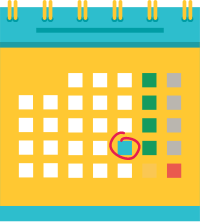
Split your workouts:3
3 times per week
50 minutes
or
5 times per week
30 minutes
or
6 times per week
25 minutes
Just try not to stay more than 48 hours without exercising and keep it at a moderate to intense rhythm.
If you are true to this regimen, you will get a better control over your blood pressure and blood sugar levels, improving your general health and reducing your chances of premature death.3
If you still find it hard to commit to an half an hour practice all at once, you can divide it into three 10 minutes workouts and spread them out during your day, morning, afternoon and evening.
Everything counts, as long as it keeps your heart rate up.
Household chores can be a useful way of achieving this, you can sweep or vacuum the floors or dust while dancing to your favorite song.
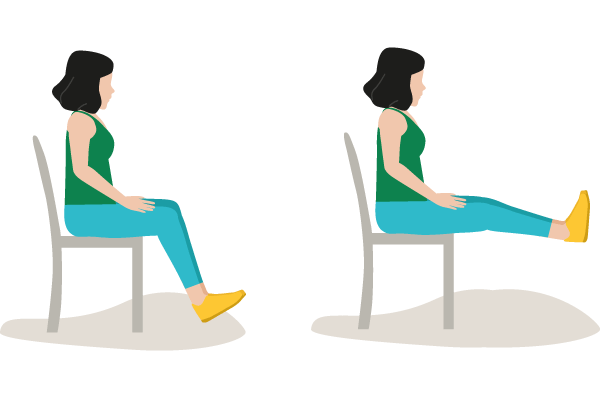
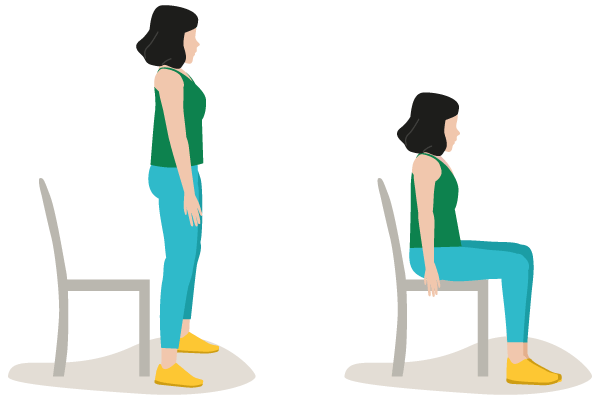
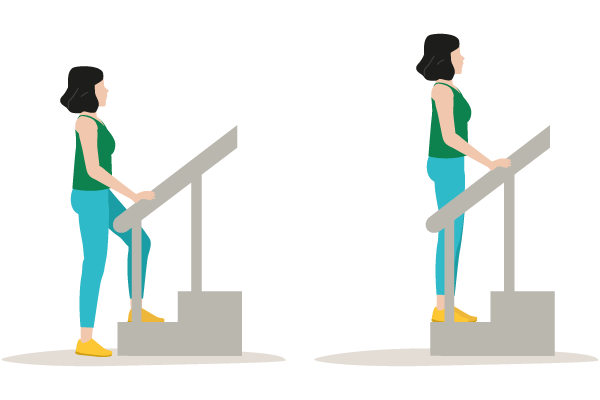
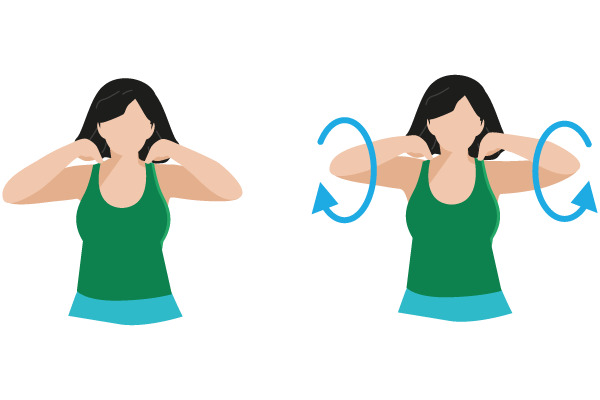
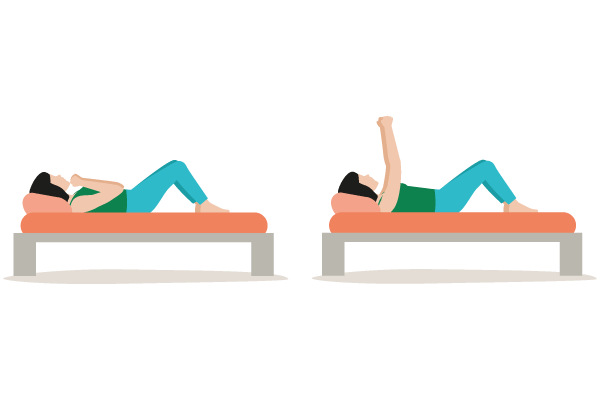
Here are 5 simple exercises you can do at your house, without any extra equipment:
Drink plenty of fluids before exercising and after!4
1. IDF. Diabetes prevention. Available at: https://www.idf.org/aboutdiabetes/prevention.html Accessed June 2022.
2. Better Health Chanel. Diabetes and exercise. Available at: https://www.betterhealth.vic.gov.au/health/conditionsandtreatments/diabetes-and-exercise Accessed June 2022.
3. ADA. Weekly Exercise Targets. Available at: https://www.diabetes.org/healthy-living/fitness/weekly-exercise-targets Accessed June 2022
4. Better Health Chanel. Exercise safely. Available at: https://www.betterhealth.vic.gov.au/health/healthyliving/exercise-safety Accessed June 2022.

GL-GLUP-00129